


This guide walks you through everything you need to know about crypto currency licenses in the UAE covering regulations, setup processes, costs, and compliance. The United Arab Emirates has rapidly positioned itself as a global hub for cryptocurrency businesses, blockchain innovation, and fintech startups. With its progressive regulations, tax benefits, and world class infrastructure, the UAE — especially Dubai and Abu Dhabi — has become one of the most sought-after destinations for crypto entrepreneurs, particularly for those looking into cryptocurrency licenses in the UAE.
However, before launching your cryptocurrency exchange, wallet service, or trading platform, obtaining the right crypto license in UAE is essential. Understanding the nuances of cryptocurrency licenses in the UAE is critical for long-term success. Acquiring the appropriate cryptocurrency licenses in the UAE is key to ensuring compliance and operational success in this rapidly growing market.
In 2026, the UAE crypto landscape has matured significantly. With over 150 licensed virtual asset service providers operating across the country and VARA continuing to tighten enforcement against unlicensed operators, there has never been a more important time to get your licensing structure right from day one.
Why the UAE is the Best Place for Cryptocurrency Businesses in 2026
The UAE government has shown clear, consistent support for digital assets through world-leading regulatory frameworks. Unlike many countries that have taken a restrictive approach to crypto, the UAE has embraced blockchain innovation while building robust consumer protection frameworks simultaneously.
The three primary regulatory bodies overseeing cryptocurrency licenses in the UAE are:
- Dubai Virtual Assets Regulatory Authority (VARA) — the world’s first standalone crypto regulator
- Abu Dhabi Global Market (ADGM) — one of the most institutionally mature digital asset frameworks globally
- Dubai Multi Commodities Centre (DMCC) — the most startup-friendly and cost-effective free zone for crypto businesses
These regulatory bodies provide secure, transparent, and innovation-driven environments that give founders, investors, and banking partners the confidence to operate.
Key benefits of obtaining cryptocurrency licenses in the UAE include:
- 100% foreign ownership in Free Zones — no local sponsor required
- 0% personal income tax and corporate tax exemption in qualifying free zones
- Access to global investors, venture capital, and blockchain ecosystems concentrated in Dubai
- Fast company formation procedures compared to most Western jurisdictions
- UAE Golden Visa eligibility for qualifying investors and founders
- Strategic location at the crossroads of Europe, Asia, and Africa
- Growing pool of Web3 talent, legal advisors, and compliance specialists
- Direct access to a rapidly expanding regional crypto market across the Middle East and Africa
The UAE’s approach has attracted major global crypto players. Bybit, Binance, OKX, Animoca Brands, and the Solana Foundation have all established regional headquarters in the UAE, further validating the country’s position as the world’s leading crypto jurisdiction in 2026.
Understanding Cryptocurrency Licenses in the UAE: What Has Changed in 2026
The regulatory landscape for cryptocurrency licenses in the UAE has evolved significantly since VARA was established in 2022. In 2026, founders must understand several critical updates before applying:
VARA Enforcement is Active: In October 2025, VARA penalized 19 firms simultaneously for operating outside their licensed scope. This demonstrates that obtaining the correct cryptocurrency license in the UAE is not optional — regulators are actively monitoring and enforcing compliance.
The 9% Corporate Tax Update: The UAE introduced a 9% federal corporate tax in 2023 for mainland businesses earning above AED 375,000 annually. However, businesses holding cryptocurrency licenses in the UAE through qualifying free zones such as DMCC, IFZA, RAK DAO, or DAFZA remain fully eligible for 0% corporate tax exemptions, provided they maintain substance requirements and do not conduct business primarily with UAE mainland entities.
New AML Requirements: VARA now requires all licensed entities to maintain data-driven AML risk assessments, conduct documented quarterly reviews, and factor in emerging risks. Non-compliance results in enforcement action, not just warnings.
Banking Has Improved: In 2026, banking timelines for UAE crypto license holders have improved significantly, particularly with Wio Bank and RAKBANK launching dedicated crypto onboarding desks. However, documentation quality remains the single biggest factor in approval rates.
Types of Cryptocurrency Licenses in the UAE
Different authorities issue licenses depending on the type of crypto activity your business conducts. Choosing the wrong license type is the most expensive mistake founders make. Here is a complete breakdown of all available cryptocurrency license types in the UAE:
1. Crypto Trading License
Issued for companies that facilitate the buying and selling of cryptocurrencies such as Bitcoin, Ethereum, and other digital tokens. This license is most popular among crypto exchange operators and OTC trading desks. Under VARA, operating a crypto exchange without the correct VASP license carries significant enforcement risk.
2. Crypto Wallet Services License
For startups offering custody and wallet services, ensuring the safe storage of clients’ digital assets. This is a regulated activity under VARA and requires a full VASP license in addition to your free zone trade license. Custody service providers must also demonstrate robust cybersecurity infrastructure including penetration testing evidence.
3. NFT and Token Issuance License
For businesses involved in minting NFTs, issuing tokens, or creating blockchain-based digital assets. The regulatory treatment of NFTs in the UAE depends on whether the NFT constitutes a financial instrument. Pure digital collectibles have lighter requirements, while token offerings that function as securities require full VARA oversight.
4. Crypto Consultancy License
Ideal for advisors and consultants offering blockchain advisory services, crypto investment guidance, and virtual asset strategy. This is typically a non-regulated activity that can be conducted under a DMCC trade license without requiring full VARA VASP approval, making it one of the fastest and most affordable cryptocurrency licenses in the UAE.
5. Proprietary Trading in Crypto License
For companies engaged in proprietary crypto trading — buying and selling digital assets using the company’s own capital, with no client funds involved. This requires a VARA Non-Objection Certificate (NOC) even though it does not require a full VASP license. A common misconception is that proprietary trading requires no VARA interaction at all — this is incorrect in 2026.
6. Blockchain Software Development License
For companies building blockchain infrastructure, distributed ledger technology (DLT) platforms, smart contracts, and Web3 applications. This is a fully non-regulated activity under VARA and one of the simplest cryptocurrency licenses in the UAE to obtain. No VARA approval or NOC is required.
7. Crypto Asset Management License
For businesses managing digital asset portfolios on behalf of clients, running structured crypto funds, or providing crypto wealth management services. This requires VARA oversight and is subject to capital adequacy requirements and ongoing reporting obligations.
8. DeFi and Web3 Platform License
For decentralized finance protocols, yield farming platforms, and decentralized exchange operators. RAK DAO has emerged as the most innovation-friendly jurisdiction for these businesses in 2026, offering flexible licensing with lighter compliance requirements than VARA for early-stage DeFi projects.
Key Regulatory Authorities for Cryptocurrency Licenses in the UAE
VARA — Dubai Virtual Assets Regulatory Authority
VARA is the world’s first standalone crypto regulator and oversees all virtual asset activities in Dubai, excluding DIFC. Established in 2022, VARA has built one of the most comprehensive licensing frameworks globally. VARA licenses cover trading, custodianship, advisory, broker-dealer services, lending, payments, and virtual asset issuance. Any business conducting regulated virtual asset activities in Dubai must obtain a VARA VASP license in addition to their free zone trade license.
ADGM — Abu Dhabi Global Market
ADGM’s Financial Services Regulatory Authority (FSRA) has operated a digital assets framework since 2018, making it one of the most mature crypto regulatory environments globally. ADGM is particularly well-suited for institutional operators, asset managers, and businesses targeting sophisticated investors. It operates under English common law, which provides additional legal certainty for complex financial structures.
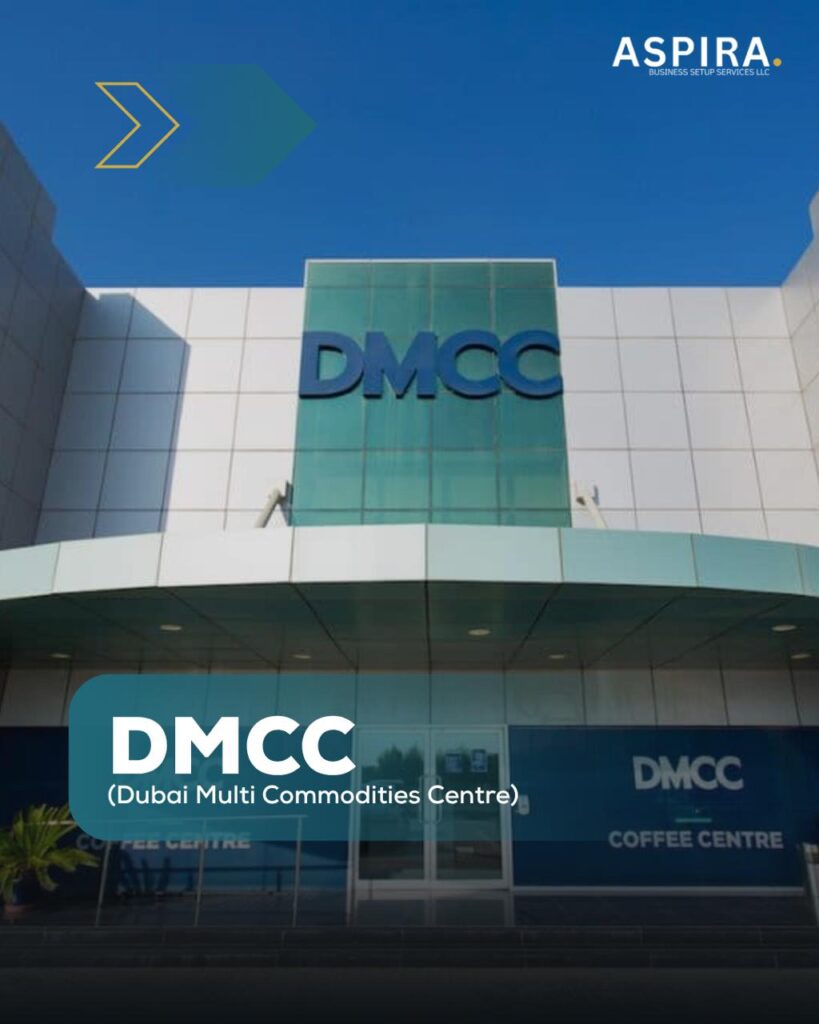
DMCC — Dubai Multi Commodities Centre
DMCC provides a dedicated Crypto Centre for blockchain and digital asset businesses. DMCC crypto licenses are cost-effective and startup-friendly, making them the most popular entry point for founders obtaining cryptocurrency licenses in the UAE. DMCC has hosted over 600 Web3 companies and will soon open the Crypto Tower a 17-storey purpose-built facility for blockchain businesses in Jumeirah Lake Towers.
DIFC — Dubai International Financial Centre
DIFC is regulated by the Dubai Financial Services Authority (DFSA) and operates under English common law. It is primarily suited for investment managers, broker-dealers, and financial institutions that require the legal certainty of common law jurisdiction. As of January 2026, DFSA-licensed firms must conduct their own documented suitability assessments for every token they list.
RAK DAO — Ras Al Khaimah Digital Assets Oasis
RAK DAO has emerged as a strong alternative for DeFi, NFT, and DAO structures in 2026. It offers the most flexible licensing framework for cutting-edge Web3 business models at lower cost than DMCC or ADGM, making it an attractive option for early-stage startups.
Step-by-Step Process to Get a Cryptocurrency Licenses in the UAE
Step 1 — Choose the Right Jurisdiction
Decide whether to register in a Dubai Free Zone, Abu Dhabi, or a Northern Emirates free zone based on your business model, budget, and target market. DMCC is best for most startups. ADGM suits institutional operators. RAK DAO works well for DeFi and NFT businesses.
Step 2 — Select Your Crypto Activity
Precisely define your business activity trading, exchange, custody, NFT, consultancy, or software development. This single decision determines your entire licensing path, compliance obligations, and capital requirements. Getting this wrong is costly.

Step 3 — Prepare Your Documentation for Cryptocurrency Licenses in the UAE
Compile all required documents before approaching any regulator or free zone authority:
- Passport copies and proof of address for all shareholders and directors
- Professional CVs highlighting relevant experience
- Detailed business plan with revenue model and financial projections
- AML and KYC policy framework specific to your business model
- Source of funds documentation for all shareholders
- Police clearance certificates from country of residence
- Technology infrastructure documentation if applicable
Step 4 — Submit Your Application
Apply to VARA, DMCC, ADGM, or RAK DAO with the required fees and documentation. For non-regulated activities, DMCC processes applications within 2 to 3 weeks. For full VARA VASP licenses, expect 7 to 9 months for the complete multi-stage review process.
Step 5 — Compliance Approval for Cryptocurrency Licenses in the UAE
Demonstrate strong AML and KYC policies that meet UAE regulatory standards. In 2026, both VARA and UAE banks conduct forensic reviews of compliance documentation. A generic template will be identified and rejected immediately. Your policies must be specific to your business model, risk profile, and counterparties.
Step 6 — Receive Your License and Launch
Upon approval, set up your office space, open a corporate bank account in Dubai, and begin operations. Remember that your compliance obligations do not end at licensing — annual AML reviews, transaction monitoring, and regulatory reporting are ongoing requirements.

Cost of Cryptocurrency Licenses in the UAE in 2026
The cost of cryptocurrency licenses in the UAE varies significantly depending on the regulatory authority and the type of activity:
| License Type | Authority | Estimated Cost |
|---|---|---|
| Blockchain/DLT Development | DMCC | AED 35,000 – 50,000 |
| Crypto Consultancy | DMCC | AED 35,000 – 50,000 |
| Proprietary Trading + VARA NOC | DMCC + VARA | AED 70,000 – 100,000 |
| Full VASP License (Exchange/Custody) | VARA | AED 550,000+ |
| Digital Asset Framework License | ADGM | AED 150,000+ |
| Web3/DeFi License | RAK DAO | AED 20,000 – 40,000 |
Additional costs to budget for Cryptocurrency License in the UAE:
- Office space or flexi-desk rental: AED 10,000 – 25,000 annually
- Visa and Emirates ID fees: AED 5,000 – 10,000 per visa
- AML/compliance documentation preparation: AED 5,000 – 20,000
- Corporate bank account facilitation: AED 5,000 – 10,000
- Annual license renewal fees
Compliance Requirements for Cryptocurrency Licenses in the UAE
Obtaining your cryptocurrency license in the UAE is only the beginning. Maintaining it requires ongoing compliance across multiple areas:
AML — Anti-Money Laundering Compliance
All licensed crypto businesses must implement documented AML policies aligned with VARA’s 2026 Compliance Rulebook and the UAE’s Federal Decree Law on AML/CFT/CPF. Annual risk assessments are mandatory for VARA-regulated entities, with quarterly documented reviews now required.
KYC — Know Your Customer Verification
Robust customer due diligence procedures are mandatory for all client-facing crypto businesses. This includes identity verification, beneficial ownership checks, source of funds verification, and ongoing transaction monitoring.
Transaction Monitoring Systems
Real-time screening of all transactions using approved blockchain analytics tools is required. VARA recommends tools such as Chainalysis and Elliptic. Using non-approved tools can lead to failed technology audits.
FATF Travel Rule Compliance
For crypto transfers exceeding AED 3,500, businesses must exchange sender and beneficiary information using approved protocols such as Sygna or Notabene.
Regular Financial Audits
Annual audits by approved auditors are mandatory for most license types. VARA-regulated entities face more frequent reporting requirements.
Failure to comply with these requirements may result in heavy financial penalties, suspension of cryptocurrency licenses in the UAE, or permanent revocation of operating rights.
Options Comparing Cryptocurrency Licenses in the UAE: Which is Right for You?
| Business Type | Recommended Authority | Timeline | Cost Range |
|---|---|---|---|
| Blockchain software startup | DMCC | 2-3 weeks | AED 35,000 – 50,000 |
| Crypto consultancy | DMCC or IFZA | 2-4 weeks | AED 35,000 – 60,000 |
| Proprietary trading | DMCC + VARA NOC | 4-8 weeks | AED 70,000 – 100,000 |
| NFT platform | RAK DAO | 2-4 weeks | AED 20,000 – 40,000 |
| Crypto exchange | VARA VASP | 7-9 months | AED 550,000+ |
| Custody service | VARA VASP | 7-9 months | AED 550,000+ |
| Institutional asset manager | ADGM FSRA | 3-6 months | AED 150,000+ |
Frequently Asked Questions About Cryptocurrency Licenses in the UAE
How long does it take to get a cryptocurrency licenses in Dubai?
For non-regulated activities through DMCC, the process typically takes 2 to 4 weeks. For full VARA VASP licenses covering regulated activities such as exchanges and custody services, expect 7 to 9 months for the complete multi-stage review and approval process.
Do I need a local sponsor for a cryptocurrency licenses in the UAE?
No. Free zones like DMCC, ADGM, RAK DAO, and IFZA all allow 100% foreign ownership with no requirement for a UAE national partner or local sponsor.
Can I operate a crypto exchange with a UAE license?
Yes, provided you obtain the correct VARA VASP license specifically covering exchange operations, and meet all capital adequacy, AML/KYC, and technology infrastructure requirements. A standard DMCC trade license alone is not sufficient for operating a crypto exchange.
What is the cheapest cryptocurrency licenses in the UAE?
RAK DAO offers the most affordable entry point for Web3 and DeFi businesses, with licenses starting from AED 20,000. For more mainstream crypto activities, the DMCC crypto license is the most cost-effective starting point from AED 35,000.
Is cryptocurrency legal in the UAE?
Yes. The UAE has established one of the world’s most comprehensive regulatory frameworks for digital assets through VARA, ADGM, DMCC, and RAK DAO, making it one of the safest and most credible jurisdictions globally for cryptocurrency businesses.
Can I get a UAE crypto license without visiting Dubai?
The initial application process can be completed remotely. However, you will typically need to visit the UAE for visa stamping, Emirates ID registration, and certain banking procedures.
What banks work with UAE crypto license holders?
In 2026, Wio Bank, RAKBANK, and Zand Bank are the most accessible banking partners for UAE crypto license holders. Traditional banks like HSBC and Standard Chartered remain very conservative toward crypto businesses even with full VARA licensing.
Ready to Get Your Cryptocurrency Licenses in the UAE?
Navigating cryptocurrency licenses in the UAE requires expert guidance the wrong jurisdiction, wrong license category, or incomplete compliance documentation can cost you months of delays and hundreds of thousands of dirhams in remediation costs.
At Aspira Business Setup Services, we help crypto entrepreneurs and blockchain founders obtain the right cryptocurrency license in the UAE — from your first consultation through to your corporate bank account opening and beyond.
📞 Call/WhatsApp: +971 56 406 6546
📧 Email: info@aspiradubai.com
🌐 Visit: www.aspiradubai.com