

Dubai has earned its reputation as one of the world’s fastest growing business hubs. Investors, entrepreneurs, and multinational companies choose Dubai because of its strategic location, world-class infrastructure, and genuinely business-friendly policies. But what makes free zone company setup in Dubai especially appealing is the existence of dedicated economic zones offering flexible formation, tax efficiency, and full foreign ownership all without requiring a local sponsor.
With close to 30 free zones now operating across the UAE, choosing the right one and understanding the true cost of free zone company setup in Dubai has never been more important or more confusing, if you don’t know where to look.
Why Choose Free Zone Company Setup in Dubai
100% Foreign Ownership
Unlike historical mainland setups that required a local sponsor, free zone company setup in Dubai grants foreign investors complete ownership rights from day one full control over structure, decision-making, and profit distribution, with no equity sharing required.
Genuine Tax Efficiency
Free zone entities can qualify for 0% corporate tax on qualifying income under the Qualifying Free Zone Person (QFZP) regime, established under Cabinet Decision No. 100 of 2023 and Ministerial Decision No. 265 of 2023. Non-qualifying income is taxed at the standard 9% federal rate above AED 375,000. Importantly, corporate tax registration on EmaraTax is mandatory regardless of your revenue level a flat AED 10,000 penalty applies for late registration, so this isn’t something to defer.
Fast, Digitized Licensing
Most free zones have digitized their processes, enabling company formation in as little as 3 to 10 business days for straightforward setups. Some zones now offer same-day license issuance for standard packages.
Strategic Global Location
Dubai sits between Europe, Asia, and Africa, with direct access to Jebel Ali Port the 9th largest container port globally plus Dubai International Airport and extensive logistics infrastructure, making free zone company setup in Dubai a genuine strategic advantage for trading, logistics, and e-commerce businesses.
Flexibility Across Business Activities
Whether you’re launching a trading company, IT firm, consultancy, logistics business, or e-commerce venture, free zones offer tailored licensing across nearly every activity category, with packages designed for startups, SMEs, and large corporations alike.
Understanding the Real Cost of Free Zone Company Setup in Dubai
This is where most guides fall short headline license fees are only part of the picture. Here’s a realistic breakdown:
| Free Zone | Starting License Cost (AED) | Best Suited For |
|---|---|---|
| SHAMS (Sharjah Media City) | 5,750 | Media, creative, freelance |
| IFZA (International Free Zone Authority) | 12,900 | General trading, consultancy, no share capital requirement |
| RAKEZ | 10,000 – 15,000 | Trading, industrial businesses |
| Meydan Free Zone | 12,500 | Fast digital setup, general activities |
| DMCC (Dubai Multi Commodities Centre) | 18,500+ | Commodities, prestige, rated #1 free zone globally for 9 consecutive years |
| DAFZA (Dubai Airport Free Zone) | 15,000 – 25,000 | Aviation, logistics, airport-linked trading |
| DIFC | 50,000+ | Financial services, institutional operators |

Important: most published headline license fees represent only 50-65% of your true first-year cost. A common AED 12,900 IFZA setup, for example, often lands at AED 25,000 – 31,500 once office space, establishment cards, visas, and insurance are properly factored in. Always budget the full package, not just the license fee.
Additional cost components to plan for:
- Registration and establishment card: AED 2,000 – 7,000
- Visa costs: AED 3,000 – 7,000 per visa, plus medical testing (AED 1,200 – 1,800) and Emirates ID
- Office/facility: Flexi-desk from AED 5,000 – 15,000/year; shared office from AED 15,000; dedicated office from AED 20,000; warehouse from AED 35,000
- Annual renewal: typically AED 12,000 – 45,000 depending on zone and office type (many zones offer multi-year discounts up to 15%)
Types of Free Zone Licenses in Dubai
Choosing the correct license type from the outset avoids costly amendments later:
- Commercial/Trading License – for import, export, distribution, and e-commerce activities
- Service License – for consultancies, IT firms, and professional service providers
- Industrial License – for light manufacturing and processing
- General Trading License – allows multiple, unrelated product categories under one license
Most licenses permit 3 to 5 activities as standard; adding activities beyond this typically costs AED 1,000 – 3,000 per additional activity, so it’s worth planning your full activity scope upfront rather than adding piecemeal.
Step-by-Step Free Zone Company Setup Process in Dubai
- Identify Your Business Activities – Choose your primary and secondary activities carefully, since your license will list only approved activities.
- Select Your Free Zone – Base this decision on your activity, budget, visa requirements, and proximity to your target clients or industry ecosystem.
- Reserve Your Trade Name – Submit 2-3 name options that comply with UAE naming conventions.
- Submit Application & Documentation – Passport copies, business plan (where required), and application forms.
- Receive Initial Approval – The free zone authority reviews and grants approval to proceed.
- Pay Fees & Receive License – Typically issued within 3 to 10 business days once documentation is complete.
- Apply for Visas – Processing timelines vary by zone and visa quota tied to your office package.
- Open Corporate Bank Account – Often the longest step; plan for several weeks depending on the bank and your free zone’s banking relationships.
Realistic total timeline: License in hand within 5 to 10 business days, but plan for 4 to 6 weeks to be fully operational with visas and an active bank account.
VAT Requirements for Free Zone Companies in Dubai
VAT registration is mandatory once taxable supplies or imports reach AED 375,000, and voluntary from AED 187,500. This applies to free zone companies just as it does to mainland entities, and it’s a separate registration process from your corporate tax obligations on EmaraTax.
Choosing the Right Free Zone for Your Business Model
Not every free zone suits every business, and cost alone shouldn’t drive your decision:
- Cost-sensitive startups and freelancers – SHAMS, IFZA, or UAQ Free Trade Zone offer the lowest entry points
- Commodities and prestige-focused businesses – DMCC’s nine consecutive years as the world’s #1 free zone carries real weight with banks and international partners
- Trading and industrial businesses – RAKEZ offers strong cost-efficiency with genuine trading infrastructure
- Aviation and logistics-linked businesses – DAFZA’s direct airport proximity is difficult to replicate elsewhere
- Financial services and institutional operators – DIFC’s premium positioning and English common law framework justify its higher cost for the right business model
Premium zones tend to improve banking approval rates and credibility with international partners a genuine tradeoff worth weighing against the lower entry cost of budget-friendly zones, especially if your business model depends on frequent bank transactions or high-value client relationships.
IFZA Free Zone: A Closer Look at Dubai’s Most Popular Budget-Friendly Option
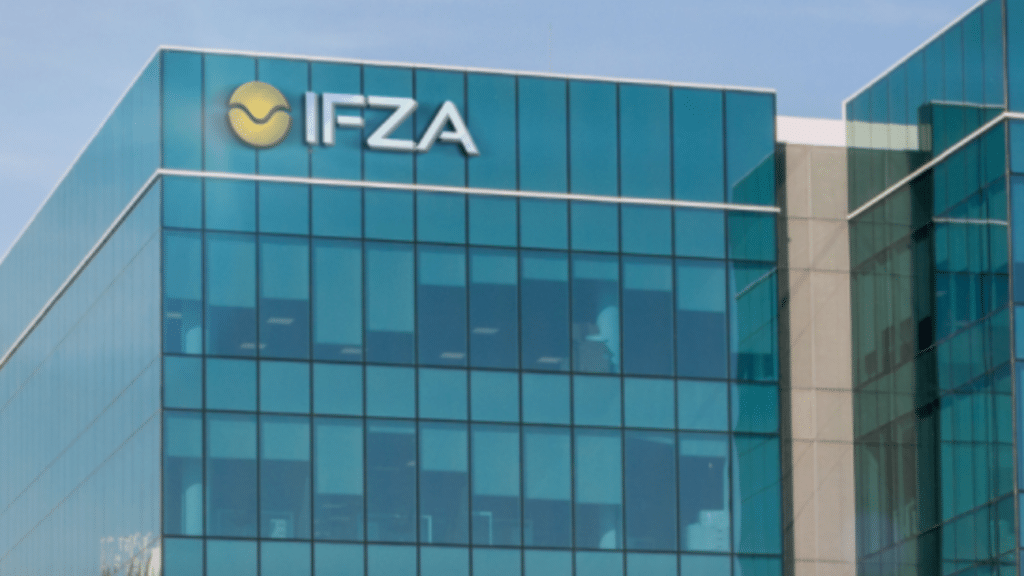
For entrepreneurs specifically comparing free zone company setup in Dubai across different authorities, IFZA (International Free Zone Authority) deserves particular attention. Based in Dubai Silicon Oasis, IFZA has grown rapidly since its rebranding to become one of the most active free zones in the UAE, attracting tens of thousands of registered companies from around the world.
IFZA’s pricing structure starts at approximately AED 12,900 for a zero-visa license package, making it one of the most accessible entry points for founders comparing free zone company setup in Dubai on a budget. A single-visa package typically runs closer to AED 14,900, while businesses needing 2 to 5 visas can expect costs ranging from AED 16,900 up to AED 20,000 or more, depending on team size. IFZA also offers multi-year package discounts of up to 30%, which can meaningfully reduce your effective annual cost if you’re confident in a 2 to 5 year commitment.
What genuinely distinguishes IFZA within the broader free zone company setup in Dubai landscape is its activity flexibility. Most licenses permit up to three activities as standard, with additional activities available at a reasonable cost a real advantage for founders whose business model spans multiple related categories (a consultancy that also handles marketing and events management, for example). Company registration is also fully remote; the only time you’ll typically need to visit the UAE in person is for investor visa biometrics and Emirates ID processing, usually requiring just one to two days on the ground.
Like all free zones, IFZA companies remain subject to the UAE’s 9% corporate tax on non-qualifying income, with 0% available for qualifying income under the QFZP regime but only if your company maintains genuine “substance” in the UAE, meaning a real physical presence such as a flexi-desk and management decisions genuinely made within the country. This is a detail worth taking seriously rather than treating as a formality, since it directly determines whether you actually receive the tax benefit that drew you to free zone company setup in Dubai in the first place.
Ajman Free Zone: The Lowest-Cost Entry Point for Free Zone Company Setup in the UAE
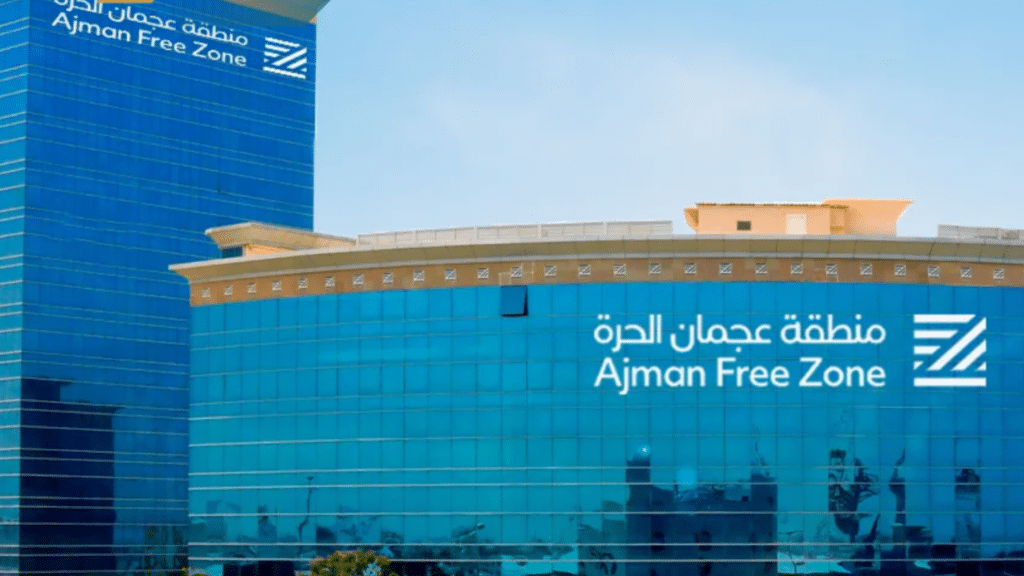
For founders whose primary concern is minimizing upfront cost, Ajman Free Zone consistently ranks among the cheapest options for free zone company setup in the broader UAE market, even outside Dubai proper. Basic freelance or service license packages can start as low as AED 5,000 to AED 6,000, while more complete packages including a physical office or visa eligibility for employees typically range from AED 10,000 to AED 15,000.
Ajman Free Zone is particularly well suited to three types of founders: digital nomads and remote-first entrepreneurs who don’t need a prestige address, freelancers and solo consultants testing a business model before committing to a larger investment, and lean e-commerce or trading startups prioritizing cost efficiency over premium positioning. Registration is notably fast, with licenses often issued within one to three working days, and importantly for founders not based in the UAE much of the process can be completed through representative offices without needing to travel to Ajman itself.
One honest caution worth including in any serious comparison of free zone company setup in Dubai versus Ajman: bank account approval can be more challenging for Ajman-registered companies, particularly when the business activity is defined too broadly or lacks a clear transaction flow and defined supplier relationships.
Banks assess free zone companies partly on the clarity and specificity of the business model, not just the paperwork a general or vague activity description is more likely to trigger delays or rejection regardless of which free zone issued the license. Founders choosing Ajman for its low entry cost should invest extra care in clearly defining their business activity and expected transaction patterns before approaching banks, since this upfront clarity meaningfully improves approval odds.
Like IFZA and other UAE free zones, Ajman Free Zone companies also benefit from 100% foreign ownership and 0% corporate tax on qualifying income, subject to the same substance and compliance requirements that apply across the UAE’s free zone ecosystem.
Corporate Tax Compliance for Free Zone Company Setup in Dubai: What Founders Often Miss
One of the most misunderstood aspects of free zone company setup in Dubai is the assumption that 0% corporate tax is automatic simply by holding a free zone license. In reality, the Qualifying Free Zone Person (QFZP) regime requires your company to demonstrate genuine “substance” in the UAE meaning a real physical presence such as a flexi-desk or office, and management decisions that are genuinely made within the country rather than simply on paper.
Founders pursuing free zone company setup in Dubai must also register for corporate tax on the EmaraTax portal regardless of their actual revenue level. This registration requirement applies from day one, not once you cross the AED 375,000 threshold that threshold determines your tax rate, not whether you need to register at all. A flat AED 10,000 penalty applies for late registration, making this one of the most costly and avoidable mistakes in the entire free zone company setup in Dubai process.
It’s also worth understanding that qualifying income and non qualifying income are assessed separately. If your free zone company setup in Dubai involves any transactions with UAE mainland entities, that portion of your income may fall outside the 0% qualifying bracket and be taxed at the standard 9% rate above AED 375,000, even if the rest of your business remains fully qualifying. Maintaining clean, separated accounting records between qualifying and non-qualifying income streams is essential not just for compliance, but to actually preserve the tax advantage that likely motivated your free zone company setup in Dubai in the first place.
Banking Considerations for Free Zone Company Setup in Dubai
Opening a corporate bank account is consistently the most time-consuming and unpredictable step in free zone company setup in Dubai, often taking longer than the actual license issuance itself. While licenses can be issued in as little as 3 to 10 business days, banks typically require 2 to 6 weeks to review and approve a corporate account application, and approval is never guaranteed regardless of how complete your documentation appears.
Banks assess free zone companies on more than paperwork alone. A business activity description that’s too broad, or a company that lacks clearly defined suppliers, clients, and transaction flow, is far more likely to face delays or outright rejection regardless of which free zone issued the license. This is a genuinely common failure point in free zone company setup in Dubai: founders assume that having a valid license and complete documents guarantees banking approval, when in reality banks are independently assessing the credibility and clarity of the underlying business model.
Established, premium free zones like DMCC tend to carry stronger banking relationships and correspondingly higher approval rates, simply because banks have years of familiarity with the zone’s compliance standards and typical client profile.
Lower cost zones aren’t inherently riskier from a banking perspective, but founders choosing budget-focused options as part of their free zone company setup in Dubai should invest extra time clearly defining their business activity, expected transaction volumes, and supplier relationships before submitting a bank application this upfront clarity meaningfully improves approval odds regardless of which free zone you’ve chosen.
For founders planning international trade as part of their free zone company setup in Dubai, it’s also worth asking prospective banks directly which free zones they currently accept applications from, since this can shift over time and isn’t always reflected in generic marketing materials.
RAKEZ and SHAMS: Additional Options Worth Comparing
Beyond DMCC, IFZA, DAFZA, and Ajman, two further free zones regularly come up in serious comparisons for free zone company setup in Dubai and the broader UAE market: RAKEZ and SHAMS.
RAKEZ (Ras Al Khaimah Economic Zone) offers a genuinely cost-effective option particularly well suited to trading and industrial businesses, with pricing generally falling between AED 10,000 and 15,000 depending on activity and office requirements. RAKEZ’s infrastructure leans toward physical trading and light industrial operations, making it a sensible alternative to DMCC or JAFZA for founders who need genuine warehousing or production space without paying Dubai’s premium real estate costs.
SHAMS (Sharjah Media City), by contrast, is highly specialised toward media, creative, and freelance-oriented businesses, with license packages starting from as low as AED 5,750 among the most affordable entry points available for any free zone company setup in Dubai’s wider metropolitan area. For consultants, content creators, and single-founder service businesses without physical inventory or warehousing needs, SHAMS offers a genuinely lean path to UAE residency and a legitimate trade license without the overhead of premium commercial zones.
Choosing between these options as part of your free zone company setup in Dubai ultimately comes down to matching your specific activity and physical space requirements to the zone’s actual specialization, rather than defaulting to the lowest headline price alone.
How Business Consultants Simplify Free Zone Company Setup in Dubai
While free zones offer genuine advantages, the setup process still involves real complexity documentation, license selection, visa approvals, banking, and ongoing compliance. This is where a business setup consultant becomes genuinely valuable rather than optional overhead.
At Aspira Business Setup, we support entrepreneurs through:
- Remote Company Setup – start your business without needing to be physically present in the UAE
- Free Zone Selection Guidance – matched to your specific activity, budget, and growth plans
- Complete Documentation & Licensing Support – from application through approval
- Visa & Immigration Assistance – for investors, employees, and dependents
- Corporate Bank Account Opening Support – navigating banking requirements and documentation
- Legal Compliance & Business Advisory – staying aligned with UAE laws and free zone regulations as they evolve
Frequently Asked Questions About Free Zone Company Setup in Dubai
How much does free zone company setup in Dubai actually cost?
Realistic first-year costs range from AED 12,000 for the most basic setups (SHAMS, IFZA) to AED 50,000+ for premium zones like DIFC, once office, visas, and registration are properly included not just the headline license fee.
How long does free zone company setup take?
The license itself can be issued within 3 to 10 business days. Being fully operational with visas and an active bank account typically takes 4 to 6 weeks.
Do I need to register for corporate tax even with low revenue?
Yes, EmaraTax corporate tax registration is mandatory for all free zone entities regardless of revenue level, with a flat AED 10,000 penalty for late registration.
Can a free zone company sell directly to the UAE mainland?
Generally, free zone companies face restrictions on direct mainland trading and typically require a distributor or separate mainland arrangement this depends on your specific activity and should be confirmed with a licensed consultant.
Which free zone is cheapest for startups?
SHAMS (from AED 5,750) and IFZA (from AED 12,900) are among the most cost-effective options for startups and freelancers.
Do I need a physical office for free zone company setup?
It depends on the zone and activity many free zones offer flexi-desk options as the minimum requirement, though some regulated or physical-goods activities require dedicated office or warehouse space.
Why Now Is a Strong Time for Free Zone Company Setup in Dubai
Dubai’s government continues introducing pro-business reforms, streamlined regulations, and new free zones to attract global investment. With ongoing initiatives promoting innovation, technology, and sustainability, free zone company setup in Dubai remains one of the most accessible ways to establish a genuine UAE presence with international credibility.
Ready to Start Your Free Zone Company Setup in Dubai?
Free zone company setup in Dubai isn’t just about obtaining a license. it’s about joining an ecosystem genuinely designed to support business growth, backed by tax efficiency, full ownership, and world-class infrastructure. With the right guidance, your setup can be efficient, compliant, and positioned for long-term success.
📞 Call/WhatsApp: +971 56 406 6546
📧 Email: info@aspiradubai.com
🌐 Visit: www.aspiradubai.com