

Dubai’s ports, airports, and highway network form one of the most advanced supply chain systems in the world, and every construction site, e-commerce warehouse, and retail distribution hub across the city depends on reliable road freight to keep moving. Starting a Transport Company in Dubai puts you at the center of that demand but the licensing here runs on two parallel tracks, a commercial trade license and a separate Roads and Transport Authority (RTA) Operation Card, and getting the jurisdiction decision wrong early on can leave you licensed but unable to actually operate.
This guide covers exactly what it takes to launch a Transport Company in Dubai in 2026 the real costs, the mainland-versus-free-zone restriction most guides gloss over, driver licensing requirements, and how to build a fleet operation that’s genuinely compliant from day one.
Why Dubai Is a Strong Market for a Transport Company
Dubai’s strategic position connecting the Middle East, Africa, Europe, and Asia, combined with continuous construction, retail, and e-commerce growth, creates sustained demand for freight movement across every sector. Business-friendly licensing, modernized government processes, and access to world-class ports and industrial zones all support fast growth for a well-structured Transport Company in Dubai but that growth depends entirely on choosing the right license structure from the outset.
The Critical Decision: Mainland vs. Free Zone
This is the single most important structural decision for a Transport Company in Dubai, and it’s the part most guides skip entirely.
Mainland license allows you to operate vehicles anywhere across Dubai and the UAE, serve clients from any sector, pick up and drop off cargo at any location, and register an unlimited fleet subject to RTA approval. For most companies planning to physically run trucks for mainland clients, this is the correct structure.
Free zone license carries a significant limitation that catches many new operators off guard: free zone companies are generally restricted from operating vehicles directly on UAE mainland roads for clients. A free zone license alone is unsuitable if your business model involves physically running a fleet across Dubai. Free zone structures work well for logistics consultancies, freight brokers, or companies coordinating transport rather than operating vehicles themselves.
The honest bottom line: if you plan to buy or lease trucks and physically move cargo for clients across Dubai, you need a mainland license. Free zone only makes sense if you’re brokering or consulting rather than driving.
Regulatory Requirements for a Transport Company in Dubai
Operating legally requires compliance with several government bodies simultaneously:
- Commercial license from the Department of Economy and Tourism (DET), identifying your activity as road freight transport or goods transportation
- RTA Operation Card – a separate approval from the commercial license, required for every vehicle before it can operate commercially
- Vehicle registration with the RTA under the company’s traffic file personal vehicle registrations are not valid for commercial transport
- Driver licensing – every driver must hold a UAE commercial license in the correct category (see below); international licenses are not accepted
- Insurance coverage – comprehensive vehicle insurance and cargo insurance are mandatory
- Ejari-registered office – a physical commercial office is required for both the DET license and the RTA Operation Card

Driver Licensing Categories
A commonly overlooked detail: drivers for a Transport Company in Dubai need the correct UAE driving license category for their vehicle type, and this must be obtained through a UAE-approved driving school international licenses are not sufficient regardless of the driver’s home-country credentials.
- Category 3 – light vehicle drivers
- Category 5 – bus drivers
- Category 6 – heavy truck drivers
Minimum Fleet Requirements
The RTA specifies a minimum fleet size per transport activity at the time of your Operation Card application. Some activities allow you to begin with a single vehicle, while others require a minimum of three. Confirming this requirement for your specific activity before committing to vehicle purchases or leases avoids a costly mismatch between your business plan and licensing reality.
Step-by-Step Process to Start a Transport Company in Dubai
- Choose your company structure mainland is standard for companies physically operating vehicles; free zone suits consultancy/brokerage models only.
- Reserve your trade name following UAE naming conventions.
- Submit your initial approval application, confirming the government has no objection to your proposed activity.
- Prepare your Memorandum of Association, defining ownership and responsibilities.
- Secure a commercial office with Ejari registration mandatory for both the DET license and RTA Operation Card.
- Apply for your commercial license through DET.
- Apply for your RTA Operation Card, including an RTA No Objection Certificate confirming your activity aligns with transport regulations.
- Register your vehicles with the RTA, including technical inspection and commercial use endorsement for each one.
- Recruit drivers holding the correct UAE license category for their vehicle type.
- Implement fleet management and tracking systems before beginning operations.
Most Transport Company setups in Dubai take 3-6 weeks when documentation is prepared in advance delays typically come from incomplete RTA NOC applications or vehicle registration bottlenecks.
Real Cost of Starting a Transport Company in Dubai
| Cost Component | Estimated Amount |
|---|---|
| Commercial license (DET) | AED 12,000–25,000 |
| RTA approval/NOC fee | AED 3,500 |
| Light vehicle transport license (3 vehicles) | AED 12,500–15,000 |
| Heavy vehicle transport license (3 vehicles) | AED 12,500–15,000 |
| Office rent with Ejari | AED 15,000–40,000 annually |
| Vehicle purchase (per truck) | AED 100,000+ |
| Vehicle leasing (per truck, monthly) | Varies by size and condition |
| Driver visa and licensing (per driver) | AED 3,000–7,000 |
Total realistic launch cost for a Transport Company in Dubai ranges from AED 25,000–100,000+ for licensing and setup alone, before vehicle acquisition — small operations with a modest fleet can expect to invest significantly more once trucks, insurance, and working capital are included, often reaching several hundred thousand dirhams for a properly capitalized fleet.
Types of Transport Services
A Transport Company in Dubai can specialize in one category or offer several:
- General cargo transport – packaged goods and bulk materials within the UAE
- Heavy equipment transport – machinery, construction equipment, and oversized loads
- Refrigerated transport – temperature-sensitive goods like food and pharmaceuticals
- Fuel and liquid transport – tanker trucks for petroleum, chemicals, and liquid materials
- Cold chain logistics – end-to-end chilled delivery for supermarkets and exporters
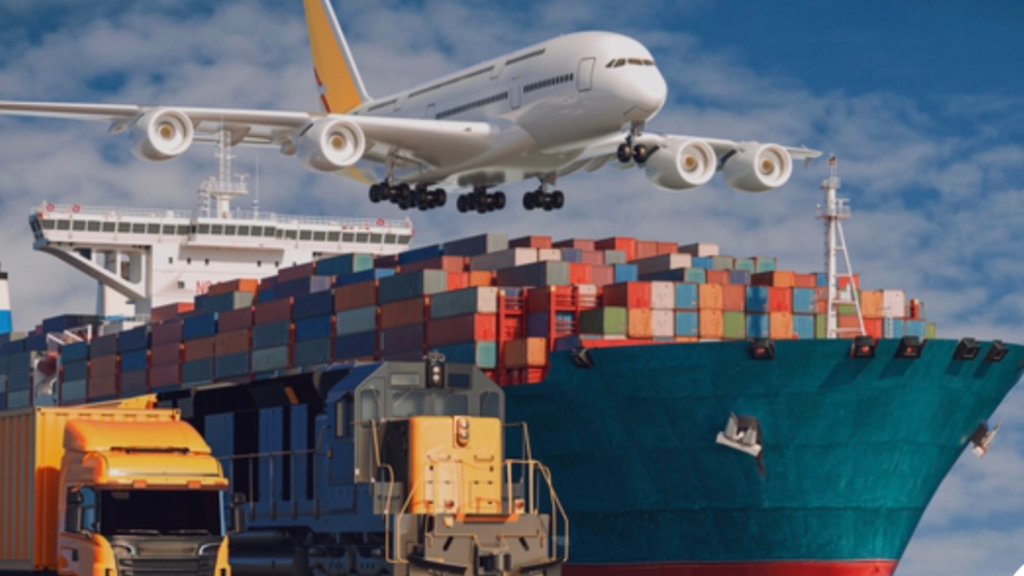
Choosing the right service mix depends heavily on your target client base. Construction and infrastructure clients typically need heavy equipment and general cargo capacity, while retail and F&B distributors prioritize refrigerated and cold chain reliability above raw fleet size. Many successful operators start with one core service often general cargo, since it requires the least specialized equipment and expand into refrigerated or heavy equipment transport once they’ve built a stable client base and cash flow to support the additional vehicle investment.
VAT and Tax Compliance
Freight transport within the UAE is standard-rated for VAT at 5%, while international transport may qualify for zero-rating subject to Federal Tax Authority conditions. A Transport Company in Dubai must register for VAT once taxable supplies exceed AED 375,000 annually, and Corporate Tax at 9% applies once annual profit crosses the same threshold. Building both into your financial planning from day one avoids compliance surprises as the fleet scales.
Compliance and Safety
Beyond licensing, ongoing operational discipline protects both your fleet and your RTA standing:
- Driver training programs covering safe practices and road awareness
- Regular vehicle maintenance and technical inspections to reduce breakdowns
- Load security measures ensuring cargo is properly packed and secured
- Route compliance with designated truck roads and timing restrictions
- Immediate accident reporting to authorities for any incident involving a company vehicle
Common Reasons for Delays in transportation
- RTA NOC application submitted without matching the exact activity described in the DET license application
- Vehicles not yet technically inspected or registered before the Operation Card application
- Drivers holding international licenses instead of the required UAE category-specific license
- Office lease or Ejari registration incomplete or mismatched with the company name
- Minimum fleet size for the chosen activity not confirmed before vehicle procurement began
Insurance Requirements in Detail
Insurance for a Transport Company in Dubai goes beyond a standard commercial policy. Comprehensive vehicle insurance covers the trucks themselves, but cargo insurance protecting the value of goods in transit is separately mandatory and often overlooked by first-time operators budgeting their launch costs. Employee coverage for drivers, particularly for heavy vehicle and hazardous material transport, adds a further layer that should be quoted and budgeted before, not after, your fleet is on the road. Insurers typically price cargo and vehicle coverage based on route distance, cargo type, and driver safety record, so a clean compliance history from day one directly reduces ongoing insurance costs for a Transport Company in Dubai.
Building Client Relationships and Contracts
Long-term contracts are what separate a stable Transport Company in Dubai from one dependent on unpredictable spot bookings. Retail chains, manufacturers, and construction firms generally prefer recurring service agreements over one-off jobs, and securing even two or three anchor clients on structured contracts early on provides the predictable cash flow needed to responsibly scale fleet size. Clear service level agreements covering delivery windows, liability for delays, and cargo damage protocols protect both sides and build the kind of professional reputation that leads to referrals within Dubai’s tightly networked logistics and construction sectors.
Cross-Border and GCC Expansion
Once a Transport Company in Dubai has stabilized domestic operations, cross-border freight into Saudi Arabia, Oman, and the wider GCC represents a significant growth opportunity given Dubai’s position as a regional trade hub. Cross-border operations for a Transport Company in Dubai require additional customs documentation and, depending on cargo type, separate permits from Dubai Customs and destination-country authorities but for operators with a proven domestic safety and compliance record, this expansion path often carries stronger margins than purely local routes due to reduced competition on longer-haul GCC corridors.
Operators considering this expansion should also factor in destination-country insurance requirements, since UAE-issued vehicle and cargo coverage doesn’t automatically extend across borders a separate cross-border policy or rider is typically needed before trucks leave UAE territory. Budgeting for this upfront, rather than discovering the gap at a border checkpoint, is one of the simpler ways to avoid costly delays when scaling into GCC routes.
Related Authorities
Several government bodies oversee a Transport Company in Dubai:
- Department of Economy and Tourism (DET) – issues the commercial license
- Roads and Transport Authority (RTA) – issues Operation Cards, vehicle registration, and heavy vehicle approvals
- Dubai Customs – supervises cargo movement across borders and free zones
- Ministry of Energy and Infrastructure – sets national transport standards and vehicle weight limits
- Dubai Municipality – regulates hygiene standards and hazardous material permits
- Federal Authority for Identity, Citizenship, Customs and Ports Security – processes visas and residency for drivers and staff
Technology and Operational Trends
A modern Transport Company in Dubai increasingly relies on fleet tracking systems for real-time visibility, digital documentation to reduce invoicing and proof-of-delivery errors, and automated route planning to control fuel costs. Eco-friendly and electric trucks are gaining traction as sustainability becomes a genuine differentiator, not just a marketing point, for companies bidding on corporate and government contracts.
Beyond tracking and route planning, digital freight matching platforms are becoming a meaningful secondary revenue channel for smaller operators allowing a Transport Company in Dubai to fill empty return-leg capacity with spot bookings rather than running trucks back empty after a delivery. For a mid-sized fleet, reducing empty-leg mileage even modestly can meaningfully improve overall margins without adding a single vehicle.
Challenges and Practical Solutions
- High initial capital – leasing trucks rather than purchasing outright reduces upfront cash requirements
- Regulatory complexity – working with an experienced setup consultant avoids the RTA/DET mismatch issues that cause most delays
- Driver shortages – competitive salaries and structured training programs improve retention
- Fuel price fluctuations – fuel-efficient vehicles and smart routing reduce exposure
- Mechanical failures – a preventive maintenance schedule protects uptime far more cheaply than reactive repairs
Marketing and Growth
Beyond compliance, a Transport Company in Dubai grows through professional brand positioning, an informative website detailing services and routes, active social media presence, and consistent presence at logistics industry events. Once operations stabilize, expansion typically follows one of several paths: growing fleet size, entering cross-border GCC routes, adding warehousing or distribution services, or forming partnerships with retail chains and manufacturers for stable, recurring contract volume.
Case studies and client testimonials carry particular weight in Dubai’s logistics sector, where reputation moves quickly through word of mouth between construction firms, distributors, and retail chains that frequently share vendor recommendations. Documenting even a handful of successful long-term partnerships with specifics like on-time delivery rates or years of continuous service gives a Transport Company in Dubai concrete proof points that are far more persuasive to prospective clients than general marketing claims.

Legal Considerations
Beyond licensing, a Transport Company in Dubai should have UAE-compliant employment contracts for all drivers and staff, public liability insurance covering third-party damage during operations, and clear subcontracting agreements if capacity is ever supplemented through partner fleets during peak demand. Maintaining organized records of vehicle registrations, driver license renewals, and insurance certificates isn’t just good practice RTA and DET both conduct periodic compliance checks, and disorganised documentation is one of the most common causes of operational disruption for otherwise well-run fleets.
Why Work With Aspira Business Setup Services
Aspira Business Setup Services LLC manages the complete path to launching a Transport Company in Dubai From choosing the correct mainland or free zone structure for your operating model, to coordinating RTA Operation Card approval, vehicle registration, and driver licensing. Our team works directly with the Department of Economy and Tourism, the Roads and Transport Authority, and Dubai Customs so operators can move from planning to road-ready operations without regulatory delays.
FAQs on Transport Company in Dubai
What documentation do I need for a Transport Company in Dubai? A commercial license from DET, an RTA Operation Card, vehicle registration documents, insurance certificates, and driver licenses in the correct UAE category.
Can a free zone company operate trucks directly on Dubai’s mainland roads? Generally no. Free zone structures suit logistics consultancy or freight brokerage; direct vehicle operation for mainland clients requires a mainland license.
How long does it take to set up a Transport Company in Dubai? Typically 3-6 weeks with complete documentation, though RTA NOC and vehicle registration steps can extend this if not prepared in advance.
What are the typical costs involved in starting a Transport Company in Dubai? Licensing and setup alone typically range AED 25,000–100,000+, with vehicle acquisition (often AED 100,000+ per truck) as a separate, often larger, cost.
Can foreigners own a Transport Company in Dubai? Yes — free zones allow full ownership, and recent reforms allow majority foreign ownership on the mainland for most activities as well.
Do I need to register every truck individually? Yes, every commercial vehicle must be registered with the RTA under the company’s traffic file, including technical inspection and annual operation card renewal.
What driving license category do heavy truck drivers need? UAE Category 6, obtained through an RTA-approved driving school — international licenses are not accepted for commercial operation.
Is there a minimum fleet size requirement? Yes, and it varies by activity — some transport categories permit starting with one vehicle, while others require a minimum of three.
Aspira Business Setup Services LLC
Phone: +971 56 406 6546
Email: info@aspiradubai.com
Website: www.aspiradubai.com