


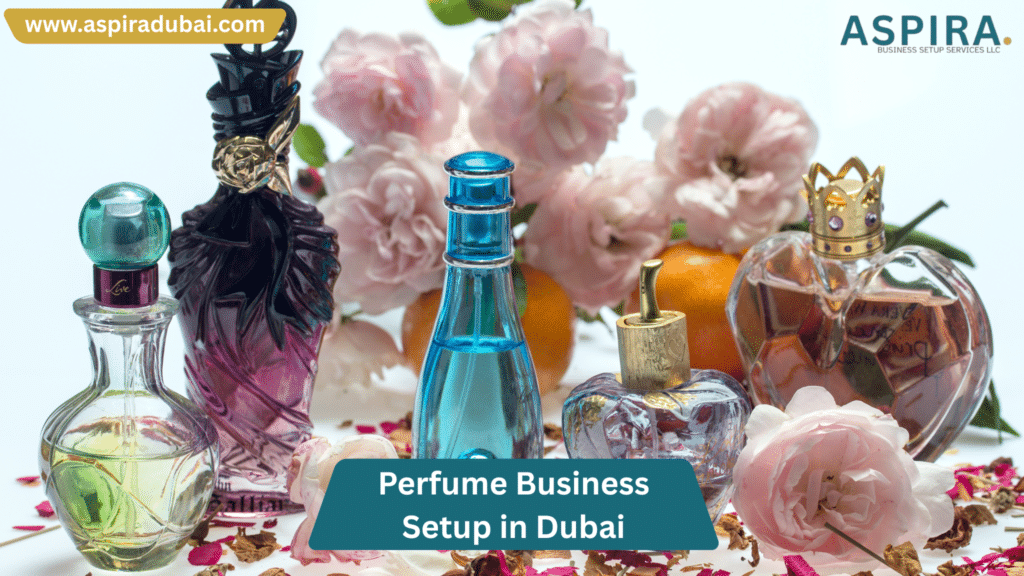
Dubai’s deep cultural affinity for fragrance, from traditional oud and alcohol free attars to luxury Western perfumes, has made the Emirate one of the most significant fragrance markets in the world by per capita consumption. Combined with the city’s position as a global re-export hub serving markets across the GCC, South Asia, and East Africa, a Perfume Business Setup in Dubai offers genuine long-term commercial potential for entrepreneurs willing to navigate its specific regulatory requirements.
This guide covers everything involved in a Perfume Business Setup in Dubai, including licensing options, realistic costs, the product compliance systems most guides gloss over, and the practical steps to get your fragrance business legally operational.
Why Dubai Is a Strong Market for a Perfume Business
Dubai’s perfume market benefits from a rare combination of high local demand and strategic trading position. Most UAE residents gravitate toward Attar, an alcohol-free perfume, alongside musk oils and Oud heavy scents that blend Eastern and Western notes. This creates a distinct product culture that differs meaningfully from Western fragrance markets and rewards businesses that understand these local preferences.
Beyond domestic consumption, Dubai’s logistics infrastructure and free zone ecosystem allow fragrance traders based here to serve markets across the GCC, South Asia, East Africa, and parts of Europe through a single well located entity. This makes a Perfume Business Setup in Dubai attractive not just for local retail, but for entrepreneurs targeting regional export and wholesale distribution.
License Types for Perfume Business Setup in Dubai
Before you can complete a Perfume Business Setup in Dubai, you need to identify which license classification matches your business model, since perfume related activities split into distinct categories with different regulatory requirements.
Perfume Trading License is required for buying and selling perfumes, either retail or wholesale, and is the most common license type for entrepreneurs planning to sell existing fragrance brands rather than manufacture their own products.
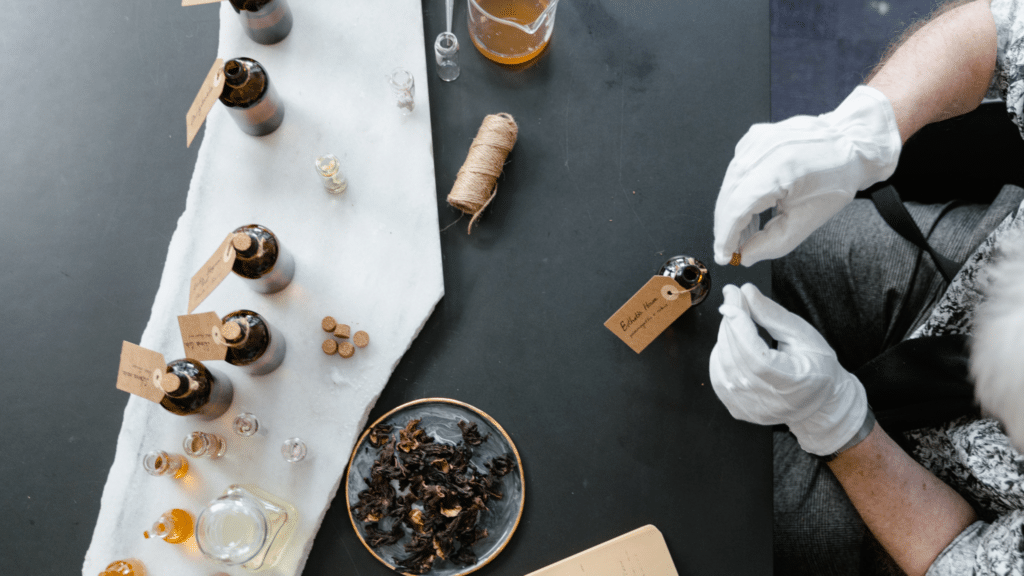
Perfume Manufacturing License is needed if you plan to produce your own perfumes, oils, or attars. This license carries additional regulatory requirements around ingredient compliance, labelling, and production facility standards compared to a pure trading license.
General Trading License is chosen by some entrepreneurs who want a broader license covering perfumes alongside other product categories under one classification, a useful option if you’re planning to diversify beyond fragrance alone.
Choosing the correct classification from the outset matters significantly for your Perfume Business Setup in Dubai, since operating manufacturing activities under a trading only license, or vice versa, can create compliance issues requiring costly restructuring down the line.
Cost of Perfume Business Setup in Dubai
Cost estimates for a Perfume Business Setup in Dubai vary considerably depending on your business model, scale, and whether you choose mainland or free zone licensing.
The basic license fee ranges between AED 10,000 and 50,000 to get a license to sell perfumes, depending on jurisdiction and business activity scope. Mainland specific costs typically come to approximately AED 13,500 with an English trade name, including an initial approval cost of around AED 235, trade name cost of AED 735, and MOA cost of AED 500 for one shareholder.
For free zone options, a trading license at Dubai South Business Hub Free Zone starts from AED 12,500 per year, with the first five activity codes included at no additional cost, covering perfumery, fragrance, incense, and personal care under one license.
Small scale startups should expect costs ranging from AED 50,000 to AED 150,000, including setup, manufacturing, and marketing for a modest operation. A broader estimate places a new perfumery startup in Dubai at AED 30,000 to AED 80,000, with initial operational expenditures potentially exceeding AED 150,000 once you factor in inventory, retail space, and branding.
Trademark registration typically costs AED 8,000 to 10,000, an often overlooked expense given how common copycat branding is in the regional fragrance market.
The wide variance in these figures reflects the significant difference between launching a small online only perfume brand versus opening a full retail boutique with in house manufacturing. Your Perfume Business Setup in Dubai budget should reflect your actual business model rather than the lowest published figure.

Product Compliance: The Step Most Guides Skip
Beyond your trade license, a Perfume Business Setup in Dubai requires navigating specific product compliance systems that regulate the fragrance industry in the UAE, and this is where many first time entrepreneurs underestimate the process.
The Emirates Conformity Assessment Scheme, known as ECAS, handles everything related to the perfume industry in UAE including policies, packaging, and safety procedures, meaning your products must meet ECAS standards before they can legally reach shelves.
You must also register the fragrance products with the Montaji system before selling in Dubai. This is the UAE’s centralized product registration platform for fragrance and cosmetic products, and it’s a step that’s mentioned only briefly across most competitor guides despite being a mandatory part of the process. Registering through Montaji requires submitting detailed product information, including ingredient composition, before your perfumes can be legally sold.
Beyond Montaji, products must be registered with Dubai Municipality to ensure safety standards, including mandatory SKU level product registration for every distinct fragrance you plan to sell.
You will also need a lab test and an analysis report of perfumes that gives details of ingredients and composition, confirming your products meet UAE safety and quality standards before registration can be finalized.
If you’re importing finished perfumes or fragrance ingredients rather than manufacturing locally, imported perfumes require customs clearance through the Federal Customs Authority, an additional step and cost that pure domestic manufacturers can skip.
Step-by-Step Process for Perfume Business Setup in Dubai
The first step is choosing your business model. Decide whether you’re launching a retail shop, online store, wholesale trading operation, or manufacturing business, since this determines your license classification and regulatory pathway.
Next, select your jurisdiction. Choose between mainland licensing through DET, which lets you have a physical shop anywhere in Dubai, or a free zone company, which is popular if you plan to export perfumes or sell online internationally, with free zones offering 100% foreign ownership and tax exemptions.
Once your jurisdiction is decided, reserve your trade name by submitting 3 to 5 proposed trade name options for approval by the relevant authority, ensuring your chosen name complies with UAE naming conventions.

You’ll then need to submit initial approval documents, including passport copies of all shareholders and partners, UAE residence visa and Emirates ID for residents, or entry stamp copy for foreign applicants, along with your business plan for initial approval.
If opening a physical retail space, you must secure your lease agreement and register the tenancy contract through EJARI before finalizing your license application.
The next stage involves completing product compliance registration, registering your fragrance products through the Montaji system, securing ECAS compliance, and completing Dubai Municipality product registration. This stage often takes longer than the licensing process itself, so plan accordingly.
Once documents are approved, you’ll obtain your trade license and can officially start operations.
Finally, register your trademark to protect your brand name early, particularly given how common copycat perfume brands are in the regional market.
Realistic Timeline for Perfume Business Setup in Dubai
While competitor estimates for licensing timelines vary widely, ranging anywhere from one week to several months, a realistic expectation for a complete Perfume Business Setup in Dubai is 4 to 8 weeks when you account for the full process. Trade license approval typically takes 1 to 2 weeks for straightforward applications, while product compliance registration through Montaji and ECAS, combined with laboratory testing and Dubai Municipality approval, commonly adds another 3 to 6 weeks depending on how many SKUs you’re registering. Manufacturing licenses generally take longer than trading licenses, since production facility inspections add additional review time to the overall process.
Realistic Break-Even Expectations
Most perfume retailers and traders in Dubai should realistically expect a break-even period of 12 to 24 months, depending on business model, location, and whether you’re operating retail, wholesale, or online only. Retail boutiques in high traffic malls typically face higher upfront costs but benefit from faster brand visibility, while online first or wholesale focused operations often carry lower initial overhead but require longer periods to build a stable customer base and distribution network.
Many startups begin small with an online store to test the market before opening a physical shop, a strategy that can meaningfully reduce early stage risk while still building toward a Perfume Business Setup in Dubai with long term retail ambitions.
Choosing a Retail Location for Your Perfume Business
Where you position your physical store, if you’re going the retail route, matters significantly for a Perfume Business Setup in Dubai, since fragrance shopping in the region is often driven by browsing behavior and impulse purchases rather than pre-planned visits.
Mall locations remain the most popular choice for perfume retailers, particularly given how central shopping malls are to daily life in Dubai. High-traffic malls offer strong footfall and exposure to both residents and tourists, though rental costs and revenue share arrangements with mall management are typically higher than standalone retail spaces. For entrepreneurs entering the perfume market for the first time, a smaller kiosk style unit within a mall can offer a lower cost way to test demand before committing to a larger boutique space.
Souks and traditional markets, particularly in areas known for fragrance and oud trading, offer a different customer base, often skewing toward customers specifically seeking traditional attars and oud-based products rather than international designer brands. A Perfume Business Setup in Dubai targeting this customer segment may find souk locations more aligned with their product offering than a mall setting.
Stand alone community retail spaces typically come at a lower rental cost than mall locations, making them suitable for entrepreneurs prioritizing margin over maximum foot traffic, though they require more active marketing to build awareness compared to a high-visibility mall unit.
Online-first businesses avoid retail location costs entirely, instead directing that budget toward digital marketing, packaging, and shipping logistics. Many successful fragrance brands in Dubai now operate hybrid models, combining a modest physical presence with a strong online store to capture both walk-in customers and the growing segment of shoppers who prefer browsing and purchasing fragrances digitally.
Whichever location strategy you choose, it’s worth remembering that your Perfume Business Setup in Dubai still requires Ejari registration for any physical lease, regardless of whether that space is a full boutique, a mall kiosk, or a small storage unit supporting an online-only operation.
Free Zone vs. Mainland for Your Perfume Business
Choosing between mainland and free zone licensing significantly shapes both your cost structure and your ability to trade. Mainland licensing allows you to trade directly within the UAE and have a physical shop anywhere in Dubai, making it well suited to entrepreneurs focused primarily on local retail. Free zone licensing, by contrast, is popular if you plan to export perfumes or sell online internationally, offering 100% foreign ownership and tax exemptions that particularly benefit wholesale and export focused business models.
For a deeper comparison of ownership structures, costs, and activity restrictions across Dubai’s major free zones, our detailed guide on Free Zone Company Setup in Dubai breaks down exactly how these options compare, useful context whether your perfume business leans toward local retail or international trading.
Related Organizations for Perfume Business Setup in Dubai
When researching or referencing your Perfume Business Setup in Dubai journey, it helps to understand what each government body actually does, since your application will move through several of these at different stages.
Dubai Department of Economy and Tourism (DET) is the primary authority issuing mainland trade licenses in Dubai. It handles your core business registration, trade name approval, and initial approval certificate before your business can legally operate.
Dubai Municipality oversees public health and safety compliance for products sold in the Emirate. For a perfume business, this means reviewing and approving your fragrance products at the SKU level to confirm they meet local safety standards before they can be sold.
Emirates Conformity Assessment Scheme (ECAS) regulates policies, packaging, and safety procedures specifically for the perfume industry in the UAE. Your products must pass ECAS review to confirm they meet national conformity standards.
Federal Customs Authority manages customs clearance for any perfumes or fragrance ingredients you import into the UAE rather than manufacture domestically. This authority ensures imported goods meet UAE entry requirements before they reach your shelves.
Dubai South Business Hub Free Zone is one of several free zone authorities offering perfume trading licenses, bundling activity codes for perfumery, fragrance, incense, and personal care under a single license package.
Aspira Business Setup Services guides entrepreneurs through the full licensing and compliance journey, coordinating between all of the above authorities so your Perfume Business Setup in Dubai moves forward without unnecessary delays.
Why Choose Aspira for Your Perfume Business Setup in Dubai
A Perfume Business Setup in Dubai involves more regulatory layers than most standard trading licenses, coordinating your trade license application with ECAS compliance, Montaji product registration, Dubai Municipality approval, and laboratory testing, all while choosing the right classification between trading and manufacturing activities. Aspira Business Setup Services brings over 12 years of experience guiding entrepreneurs through exactly this kind of multi-stage, product compliance heavy licensing process across the UAE.
Our team manages every stage of your Perfume Business Setup in Dubai application, from selecting the right jurisdiction and license classification, to coordinating Montaji and ECAS product registration, to finalizing your trademark protection and lease agreements. We provide transparent, upfront cost estimates so you know exactly what to budget for before committing, helping you avoid the compliance delays that most commonly slow down first time fragrance entrepreneurs.
Whether you’re launching a boutique retail perfume brand, a wholesale trading operation, or a full manufacturing business producing your own attars and ouds, Aspira tailors your Perfume Business Setup in Dubai to match your specific business model, ensuring your licensing and compliance structure is correct from day one rather than requiring costly rework later.
Frequently Asked Questions
1. How much does a Perfume Business Setup in Dubai cost?
Basic licensing costs range from AED 10,000 to 50,000, while total startup costs including setup, manufacturing, and marketing typically range from AED 30,000 to AED 150,000 depending on your business scale.
2. What’s the difference between a Trading License and Manufacturing License for perfumes?
A Perfume Trading License covers buying and selling existing fragrance products, while a Perfume Manufacturing License is required if you plan to produce your own perfumes, oils, or attars, carrying additional compliance requirements.
3. What is the Montaji system?
Montaji is the UAE’s centralized product registration platform for fragrance and cosmetic products. You must register your fragrance products through Montaji before they can be legally sold in Dubai.
4. How long does a Perfume Business Setup in Dubai take?
A realistic timeline is 4 to 8 weeks total, accounting for trade license approval of 1 to 2 weeks plus product compliance registration through Montaji, ECAS, and Dubai Municipality, which typically adds 3 to 6 weeks depending on the number of products registered.
5. Should I choose mainland or free zone for my perfume business?
Mainland licensing suits entrepreneurs focused on local retail with a physical shop, while free zone licensing benefits those planning to export or sell online internationally, offering 100% foreign ownership and tax exemptions.
6. Do I need to register every perfume product I sell?
Yes. Dubai Municipality requires mandatory SKU level product registration for every distinct fragrance, alongside Montaji system registration and ECAS compliance.
Contact Aspira Business Setup Services LLC
Phone: +971 56 406 6546
Email: info@aspiradubai.com
Website: www.aspiradubai.com